NYX-GEN BIO
NYX-GEN BIO
  • Home
  • Shop
  • RESEARCH COMPOUNDS
    • Retatrutide
    • Tirzepatide
    • Lemon Bottle
    • GLOW
  • INFORMATION
    • Pharmacokinetics
    • Fat Oxidation Capacity
    • Basel Metabolic Rate
    • Peptide Storage
    • Peptide Reconstitution
  • WEIGHT LOSS
    • Foundation of Weight Loss
    • Hormones & Weight Gain
  • NUTRITION
    • Nutrition on GLP-1 Meds
    • Nausea on GLP-1 Meds
    • Protein Intake
    • GLP-1 & Digestion
  • More
    • Home
    • Shop
    • RESEARCH COMPOUNDS
      • Retatrutide
      • Tirzepatide
      • Lemon Bottle
      • GLOW
    • INFORMATION
      • Pharmacokinetics
      • Fat Oxidation Capacity
      • Basel Metabolic Rate
      • Peptide Storage
      • Peptide Reconstitution
    • WEIGHT LOSS
      • Foundation of Weight Loss
      • Hormones & Weight Gain
    • NUTRITION
      • Nutrition on GLP-1 Meds
      • Nausea on GLP-1 Meds
      • Protein Intake
      • GLP-1 & Digestion
  • Sign In
  • Create Account

  • Orders
  • My Account
  • Signed in as:

  • filler@godaddy.com


  • Orders
  • My Account
  • Sign out

Signed in as:

filler@godaddy.com
  • Home
  • Shop
  • RESEARCH COMPOUNDS
    • Retatrutide
    • Tirzepatide
    • Lemon Bottle
    • GLOW
  • INFORMATION
    • Pharmacokinetics
    • Fat Oxidation Capacity
    • Basel Metabolic Rate
    • Peptide Storage
    • Peptide Reconstitution
  • WEIGHT LOSS
    • Foundation of Weight Loss
    • Hormones & Weight Gain
  • NUTRITION
    • Nutrition on GLP-1 Meds
    • Nausea on GLP-1 Meds
    • Protein Intake
    • GLP-1 & Digestion

Account

  • Orders
  • My Account
  • Sign out

  • Sign In
  • Orders
  • My Account

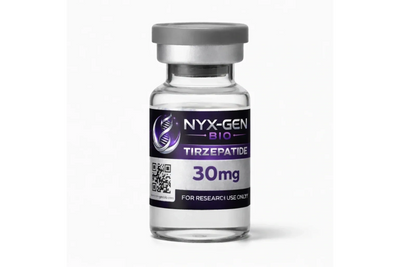
TIRZEPATIDE

What is Tirzepatide?

Tirzepatide is a synthetic peptide-based medication approved by the U.S. Food and Drug Administration for the treatment of specific metabolic conditions. It functions as a dual receptor agonist, targeting both the glucagon-like peptide-1 (GLP-1) receptor and the glucose-dependent insulinotropic polypeptide (GIP) receptor.

Tirzepatide is a regulated pharmaceutical product with standardized manufacturing, dosing, and prescribing requirements defined by regulatory authorities.


Mechanism of Action

According to regulatory and clinical documentation, tirzepatide exerts its pharmacological effects through:

  • Activation of GLP-1 receptor pathways involved in glucose regulation and appetite signaling
  • Activation of GIP receptor pathways associated with insulin secretion and metabolic control
  • Integrated dual-agonist signaling that differentiates tirzepatide from single-receptor GLP-1 agents
     

Pharmacokinetics

(FDA Label Information)

Publicly available regulatory documentation describes tirzepatide as having pharmacokinetic characteristics consistent with long-acting, once-weekly administration.

Key pharmacokinetic parameters reported in labeling include:

  • Prolonged systemic exposure following subcutaneous administration
  • Terminal elimination half-life of approximately 5 days
  • Achievement of steady-state plasma concentrations after repeated weekly dosing
  • Clearance primarily via proteolytic degradation rather than renal excretion

Pharmacokinetic behavior may vary based on patient-specific clinical factors.


FDA-Approved Dosing Overview

Tirzepatide dosing is defined by FDA-approved prescribing information and follows a structured titration schedule beginning at a low initial dose and increasing incrementally over time.

Dose initiation, escalation, maintenance, and discontinuation are determined by licensed healthcare professionals based on individual clinical evaluation, indication, and tolerability.

This site does not provide dosing recommendations or individualized treatment guidance.


Regulatory Status

  • Tirzepatide is an FDA-approved prescription medication
  • It is manufactured under regulated pharmaceutical standards
  • It is prescribed and monitored by licensed healthcare providers
  • Use outside approved indications is subject to clinical discretion and regulatory oversight
     

Common Reference Questions

Is tirzepatide FDA approved?

Yes. Tirzepatide has received FDA approval for specific therapeutic indications and is regulated as a prescription medication.

Does tirzepatide have established pharmacokinetic data?

Yes. Pharmacokinetic parameters, including half-life and dosing frequency, are documented in regulatory filings and prescribing information.

Can tirzepatide dosing be self-directed?

No. Tirzepatide dosing and management are determined by licensed healthcare professionals.

Medical & Regulatory Disclaimer

This content summarizes publicly available regulatory and pharmacological information for educational reference only. It does not constitute medical advice, diagnosis, or treatment guidance.

Prescribing decisions and clinical management should be made by qualified healthcare professionals in accordance with approved labeling and clinical judgment.

Learn More

 For publicly available regulatory and clinical information on Tirzepatide:

  • FDA Prescribing Information (Mounjaro):
    https://www.accessdata.fda.gov/drugsatfda_docs/label/2022/215866s000lbl.pdf
     
  • FDA Prescribing Information (Zepbound):
    https://www.accessdata.fda.gov/drugsatfda_docs/label/2023/217806s000lbl.pdf
     
  • ClinicalTrials.gov — Tirzepatide Studies:
    https://clinicaltrials.gov/search?term=tirzepatide
     
  • New England Journal of Medicine — SURPASS Clinical Trial Data:
    https://www.nejm.org/doi/full/10.1056/NEJMoa2107519
     
  • FDA Drug Approval Announcement (Initial Approval):
    https://www.fda.gov/drugs/news-events-human-drugs/fda-approves-new-treatment-type-2-diabetes
     

Tirzepatide is an FDA-approved prescription medication. Clinical data, safety information, and dosing details are defined within official regulatory documentation.

Titration Framework

 Tirzepatide is always started low and increased slowly to reduce GI side effects like nausea and vomiting.

· Weeks 1–4: 2.5 mg once weekly

· Weeks 5–8: 5 mg once weekly

· Weeks 9–12: 7.5 mg once weekly

· Weeks 13–16: 10 mg once weekly

· Weeks 17–20: 12.5 mg once weekly

· Weeks 21+: 15 mg once weekly (max/common maintenance)

General Medical Principles Behind the Titration

  • Start Low (2.5 mg)
    • This “starter” dose is usually not intended for strong weight loss, but for the body to adapt.
  • Stepwise 4-Week Increments
    • Each step (2.5 → 5 → 7.5 → 10 → 12.5 → 15 mg) is held for 4 weeks.
  • Target Dose Is Individual
    • Some patients remain at 5–10 mg weekly if efficacy is good and side       effects are minimal.
  • One Weekly “Anchor Day”
    • Injections are usually taken on the same day each week (e.g., every Monday).

Reconstitution

Reconstitution (15 mg vial)

  • Add 1.5 mL bacteriostatic water to the Tirzepatide vial. (1.5 mL on a                       3.0 mL syringe)
  • Clean the rubber stopper of the vial with an alcohol swab before inserting any needle.
  • Inject the water slowly into the Retatrutide vial and allow the powder to dissolve on its own.
  • Do NOT shake the vial.
  • Once the solution becomes fully clear, the vial is ready for use.
  • Store the reconstituted vial in the refrigerator, do NOT freeze.  
  • Final concentration: 15 mg in 1.5 mL → 10 mg/mL

Reconstitution

Reconstitution (30 mg vial)

  • Add 3.0 mL bacteriostatic water to the Tirzepatide vial. (3.0 mL on a                      3.0 mL syringe)
  • Clean the rubber stopper of the vial with an alcohol swab before inserting any needle.
  • Inject the water slowly into the Retatrutide vial and allow the powder to dissolve on its own.
  • Do NOT shake the vial.
  • Once the solution becomes fully clear, the vial is ready for use.
  • Store the reconstituted vial in the refrigerator, do NOT freeze.  
  • Final concentration: 30 mg in 3.0 mL → 10 mg/mL

Administration

Self-Administration 

  • Use a new sterile 29G insulin syringe each time.
  • Clean the top of the vial with an alcohol swab before drawing up your dose.
  • Draw the prescribed amount (20 or 40 or 80 units).
  • Clean the injection site on your abdomen with an alcohol swab and allow it to dry.
  • Administer the dose subcutaneously.
  • Rotate injection sites each week.
  • Dispose of used needles in a sharp’s container.
  • Do not share vials or syringes with anyone.
  • Do not use the vial if the solution appears cloudy, discolored, or contains particles.

Copyright © 2026 NXY-GEN BIO - All Rights Reserved.

Powered by

  • Privacy Policy
  • Terms and Conditions

This website uses cookies.

We use cookies to analyze website traffic and optimize your website experience. By accepting our use of cookies, your data will be aggregated with all other user data.

Accept